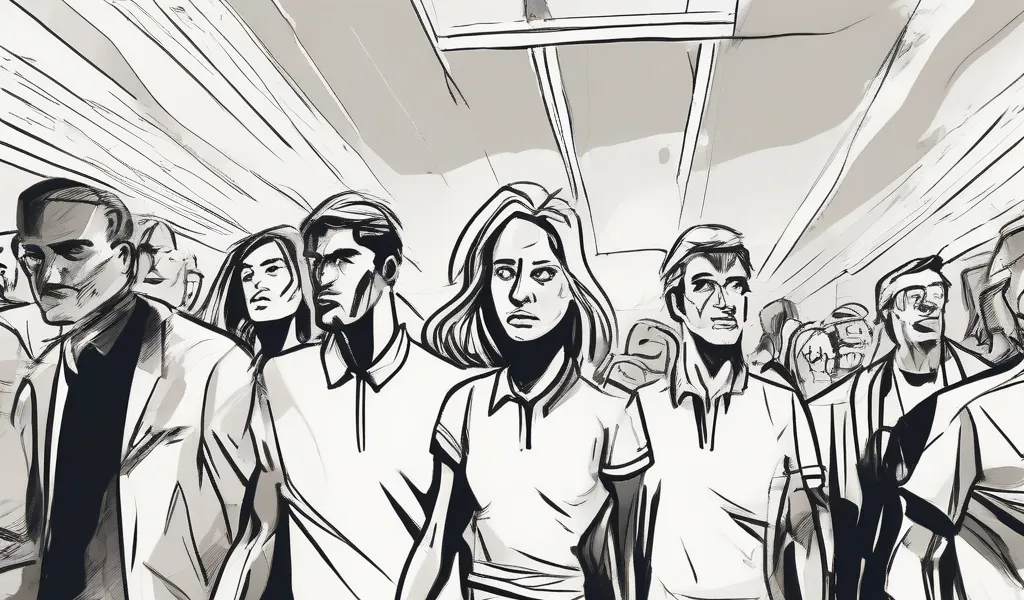
Let’s set the scene. It’s the Friday before the French Open. The world’s best tennis players — Jannik Sinner, Aryna Sabalenka, Coco Gauff, Iga Świątek — file into the traditional pre-tournament media day at Roland Garros. Reporters settle in. Cameras roll. Questions begin.
And then, exactly 15 minutes later, they leave.
Not because they had somewhere to be. Not because the questions got weird. They left because 15 minutes was the point. The protest was the 15 minutes. Players across both tours had coordinated to walk out of press conferences at the precise minute that represented their share of Roland Garros’s revenue: 14.3%. Rounded up, generously, to 15.
It is, genuinely, one of the most elegant acts of sports labor organizing in recent memory. The message required no signs, no statements, no hashtags. You just watch Jannik Sinner stand up mid-sentence and leave, and the number does all the talking.
Here Is the Math They Are Protesting
Roland Garros generated approximately €395 million in revenue last year. That figure grew by 14% year-on-year. The players, who are the reason any of this exists — the reason anyone buys a ticket, clicks a stream, or watches a ball bounce on clay for three weeks — received prize money representing 14.3% of that pot.
For comparison: standard ATP and WTA 1000 events — your Indian Wells, your Miami, your Madrid — pay out 22% of revenue to players. The players want the Grand Slams to match that. The French Open responded by increasing total prize money by 9.5% to €61.7 million, which sounds like a lot until you notice that revenue grew nearly 14%, meaning the players’ share actually went down.
The players noticed.
The Coalition
This wasn’t a one-person grievance. Sabalenka had been the loudest voice for weeks, warning of a potential tournament boycott if the Slams didn’t move. Gauff backed her. Sinner backed her. Świątek backed her. Rybakina, Paolini — basically anyone who has ever held a racket at a major was, to varying degrees, on board.
The 15-minute press conference format was the compromise between “full boycott” and “say nothing.” It let them make their point without blowing up the tournament. Which, tactically, was smart — you don’t want to hurt the fans. You want to hurt the optics.
And the optics of watching Coco Gauff check her watch and stand up mid-question are, it must be said, quite good.
What the French Federation Said Beforehand
Tournament director Amélie Mauresmo, when asked last week whether players could expect any movement on this year’s prize money, delivered what will go down as either a masterclass in negotiating posture or a spectacular miscalculation, depending on how the next 48 hours went:
“There, we’re not going to move.”
Five words. Clean. Decisive. Extremely confident for someone who was about to have the four best tennis players in the world walk out of press conferences on live television.
What Happened After
By Friday evening — the same day as the walkouts — player representatives had sat down with French Tennis Federation officials for what both sides described as “positive and transparent” talks. One source close to the players told reporters that “one day of direct action had achieved more than a year of discussions behind the scenes.”
The prize money for this year’s tournament is not changing. That was made clear. But the FFT agreed to formal post-tournament discussions about future revenue sharing, which is, if not a win, at least an acknowledgment that the players exist and have opinions worth hearing — a standard the sport’s governing bodies have historically struggled to clear.
The Broader Point
There is something almost poignant about the fact that this fight is happening at all. These are the most famous tennis players on earth. Jannik Sinner is currently on a 29-match winning streak. Aryna Sabalenka is the world number one. Coco Gauff is the defending champion at the tournament where she’s currently being asked to protest.
They are, by any reasonable measure, the product. The clay is just the surface.
And yet here they are, having to invent a clever protest format to get someone in a glass office in Paris to take a meeting.
The 15 minutes worked. This time.
Sources:
- French Open players plan media protest over prize-money share — ESPN
- French Open players’ media protest won’t continue after organizers reportedly agree to discuss prize money — Yahoo Sports
- Aryna Sabalenka, Coco Gauff Lead 2026 French Open Media Protest — Just Women’s Sports
- French Open has ‘positive’ meeting with players over tennis dispute — Al Jazeera
- French Open players plan media protest over prize-money share — NBC New York